Unlock Your Potential With These Powerful Positive Self Talk Quotes in Sport
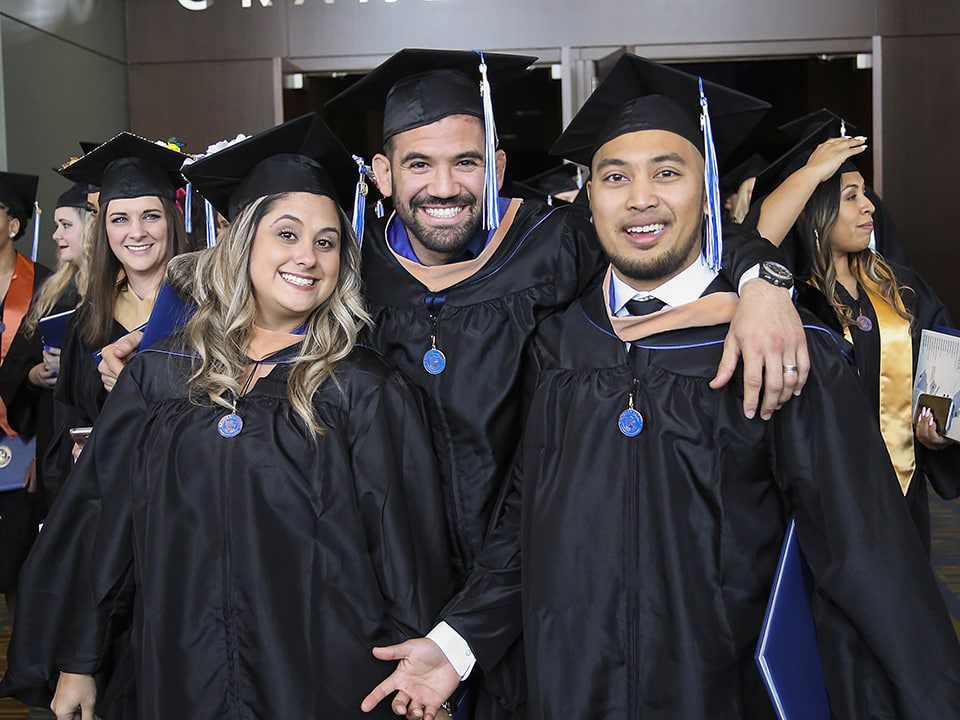
As a longtime UAAP basketball analyst who's been covering the league for over eight seasons now, I've come to appreciate that there's something truly special happening with the De La Salle Green Archers this year. While checking today's latest scores and highlights - which I'll get to shortly - I keep returning to what makes this team different. See, I've watched countless teams come and go, but the current Green Archers squad has this undeniable chemistry that transcends typical team dynamics. What really struck me during my conversations with players was how Jacob and Mason described their experience alongside their brother Mike, who previously played for the team. They all clarified that the Green Archers, as a whole, feel like a family, not just a basketball team. This isn't just locker room talk either - I've observed how this translates to their on-court performance, especially in those crucial fourth-quarter moments where many teams falter.
Let me give you some context from yesterday's thrilling matchup against archrivals Ateneo Blue Eagles. The Green Archers were down by 7 points with just three minutes remaining, and honestly, I thought this might be another heartbreaking loss in their storied rivalry. But then something remarkable happened - Jacob found Mason cutting to the basket for an and-one opportunity, and the way they celebrated wasn't the typical chest-bumping you see from most players. It was that genuine, brotherly embrace that speaks volumes about their connection. They went on a 12-2 run to close the game, winning 78-75 in what I'd consider one of the most exciting finishes this season. The stats back this up too - in games decided by 5 points or less, the Green Archers are 4-1 this season, which is significantly better than the league average of 2-3 for most teams in similar situations.
What fascinates me about covering UAAP basketball is noticing how team dynamics evolve throughout the season. I've had the privilege of speaking with Coach Topex Robinson multiple times this season, and he emphasized how building this family atmosphere was intentional from day one of training camp. "We're not just developing basketball players," he told me during our last conversation, "we're building men who understand sacrifice and connection." This philosophy appears to be paying dividends - the Green Archers currently lead the league in assists per game at 22.4, which is nearly 3 assists more than the second-ranked team. When players genuinely care for each other, they're more willing to make the extra pass, to sacrifice personal stats for team success. I've noticed this particularly in their ball movement - it's fluid, intuitive, and frankly, beautiful to watch for any true basketball purist.
Now, let's talk about today's crucial matchups that could determine final four positioning. The University of the Philippines Fighting Maroons are taking on the Far Eastern University Tamaraws at the Mall of Asia Arena, and based on current standings, this could be a potential playoff preview. UP is sitting at 8-3 while FEU is at 6-5, but don't let the records fool you - the Tamaraws have won 4 of their last 5 games and are playing their best basketball of the season. Personally, I'm keeping my eye on the point guard matchup between UP's JD Cagulangan and FEU's LJ Gonzales. Both are averaging around 12 points and 6 assists, but their styles couldn't be more different. Cagulangan is methodical, almost surgical in his approach, while Gonzales brings that frenetic energy that can disrupt even the most disciplined defenses.
The other game I'm closely monitoring features the National University Bulldogs against the Adamson Soaring Falcons. NU has been somewhat inconsistent this season with a 5-6 record, but they've shown flashes of brilliance, particularly in their upset win over UP two weeks ago. Adamson, at 7-4, needs this win to stay in the hunt for a twice-to-beat advantage. What makes this matchup intriguing for me is the battle in the paint - NU's Omar John (averaging 11.2 rebounds per game) against Adamson's AP Manlapaz (9.8 rebounds). Rebounding might not be the flashiest stat, but as any coach will tell you, controlling the boards often determines who wins these tightly contested UAAP games.
Returning to that family concept I mentioned earlier, I've been tracking how this dynamic affects player development across multiple seasons. The Cortez brothers aren't the only example - throughout UAAP history, we've seen how familial connections often correlate with team success. Back in 2016, the Rivero brothers led UP to their first finals appearance in decades, and currently, we're seeing similar dynamics with other teams. It makes me wonder if this is something more programs should intentionally cultivate rather than leaving it to chance. From my perspective, the data suggests that teams with strong familial bonds, whether biological or developed, tend to outperform expectations more often than not.
Looking at the broader UAAP landscape this season, I'm particularly impressed with how competitive the league has become. Unlike previous years where 2-3 teams dominated, we now have six teams with legitimate final four aspirations with just three playing dates remaining. The parity has made for must-watch basketball every game day, and frankly, it's made my job both more challenging and more enjoyable. Just last Wednesday, we witnessed three overtime games across two venues, something that hasn't happened in UAAP history since the 2014 season. The level of talent coming through the UAAP pipeline continues to improve, with scouts from international leagues increasingly attending games.
As we approach the business end of the season, I believe the team that best maintains that family atmosphere will have the edge in the playoffs. Pressure does strange things to teams, and in those tense moments, players naturally revert to their deepest connections. The Green Archers, with their built-in brotherhood and extended family approach, seem uniquely positioned for postseason success. They've weathered injuries to key players, controversial calls, and the general ups and downs of a long season with remarkable resilience. While other teams might have more individual talent or better stats in certain categories, basketball at its heart remains a human game, and human connections matter more than we sometimes acknowledge in our analysis.
So as you're checking today's UAAP scores and highlights, pay attention not just to the numbers but to how teams are interacting during timeouts, how bench players celebrate their teammates' successes, and how coaches communicate during pressure situations. These subtle elements often tell you more about a team's championship potential than any statistic can capture. The beauty of UAAP basketball lies in these human stories unfolding alongside the athletic competition, creating narratives that resonate long after the final buzzer sounds.